Description
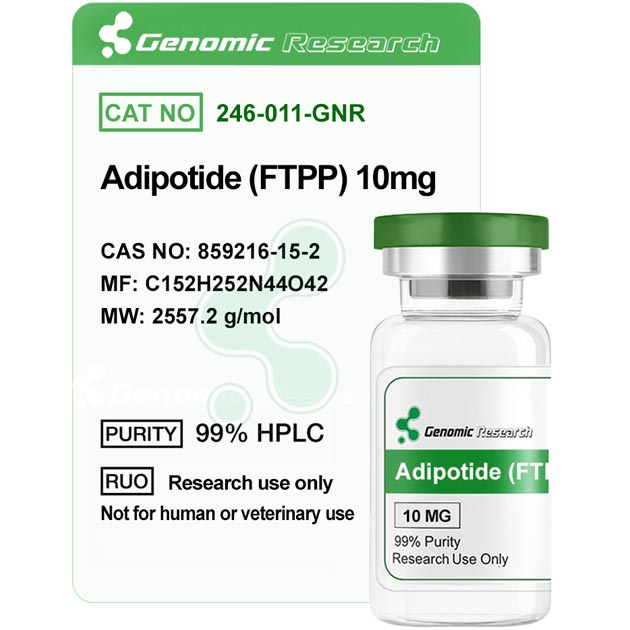
Adipotide, also known as FTPP, is an experimental weight loss treatment that kills fat cells by targeting the blood supply of those cells.
Research has suggested MOTS-c is an exercise mimetic, a 16-amino-acid peptide that is encoded in the mitochondrial genome of cells. According to clinical studies, it improves insulin sensitivity. While the study is still ongoing, control group examinations using diet-induced obese mice have shown improvements in insulin sensitivity. Researchers are still studying to see if the MOTS-c changes plasma markers, which are used to determine the body’s metabolic condition. Research has shown that it targets body muscles and regulates its metabolism using the folate-purine-AMPK pathway. By doing so, it becomes effective protection against obesity and insulin resistance that stems from the diet that one is taking or age. HOWMOTS-CPEPTIDEREGULATESGLUCOSE Clinical studies have shown that MOTS-c promotes the production of endogen AMP analogue AICAR, which in turn, helps in the synthesis of AMP-activated protein kinase (also referred to as AMPK). Before the production of AMPK, its cellular actions inhibit the folate cycle along with de novo purine biosynthesis. The AMPK then induces systemiccellu lar uptake of glucose and enhances insulin sensitivity. These studies suggest the mitochondria offer active regulation of metabolic homeostasis via this peptide encoded in their genome. Research has confirmed that the peptide genome can help reduce insulin resistance. Health experts recommend taking the medication along with a strict, balanced diet to lower the amount of fat taken to manage obesity. Other studies have shown that general weight gain may increase insulin insensitivity, especially on diabetes type 1 patients. Cutting down the fat intake and increased levels of MOTS-c may lower the diet-induced metabolic dysfunction and associated inflammation